November 21, 2006

Emergency Button on a Train Platform


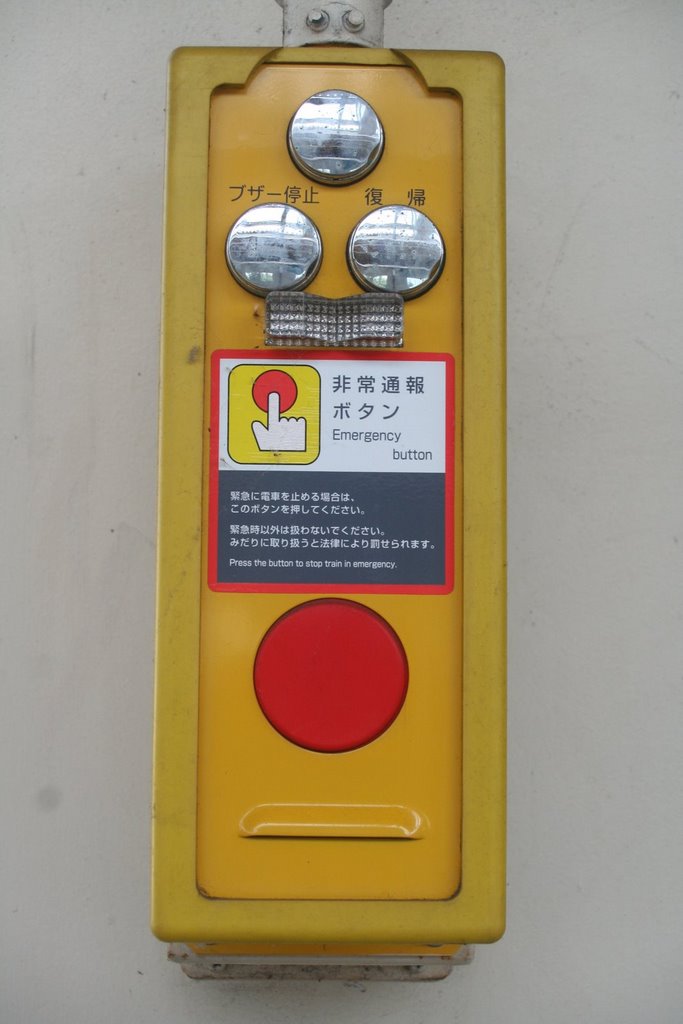
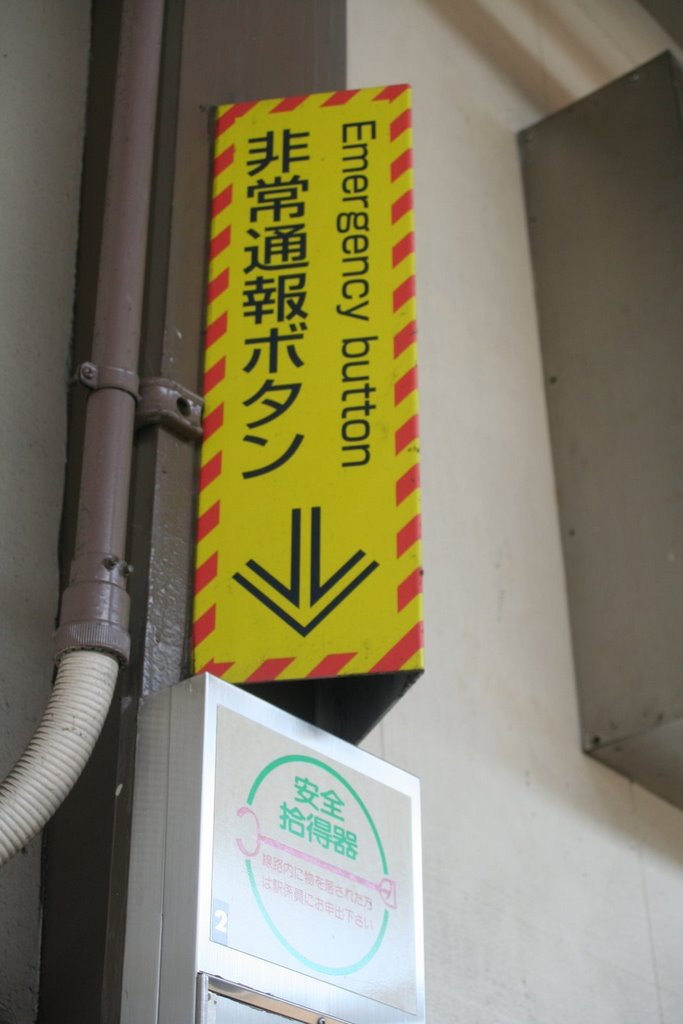
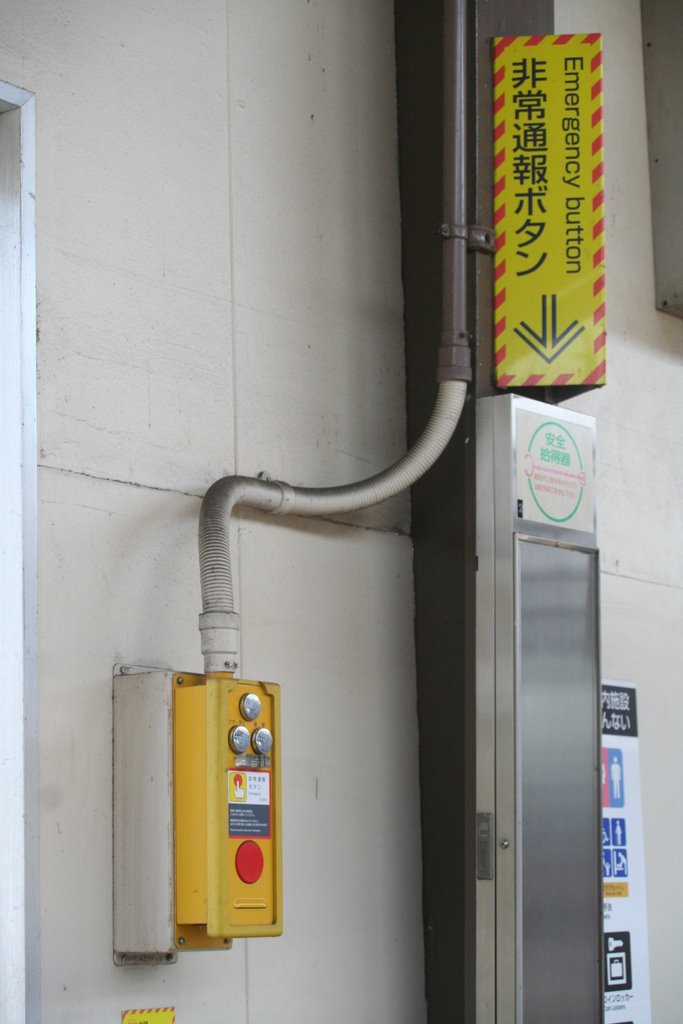
This is an emergency button on the platform of the train station. The yellow sign with the red stripes to the right is written in English and Japanese. The button is not directly under the sign.


The red button is the one to push to alert train station employees. The others are for their use.


The Japanese can be translated as "Emergency Call Button".

November 20, 2006

Table Chrysanthemums


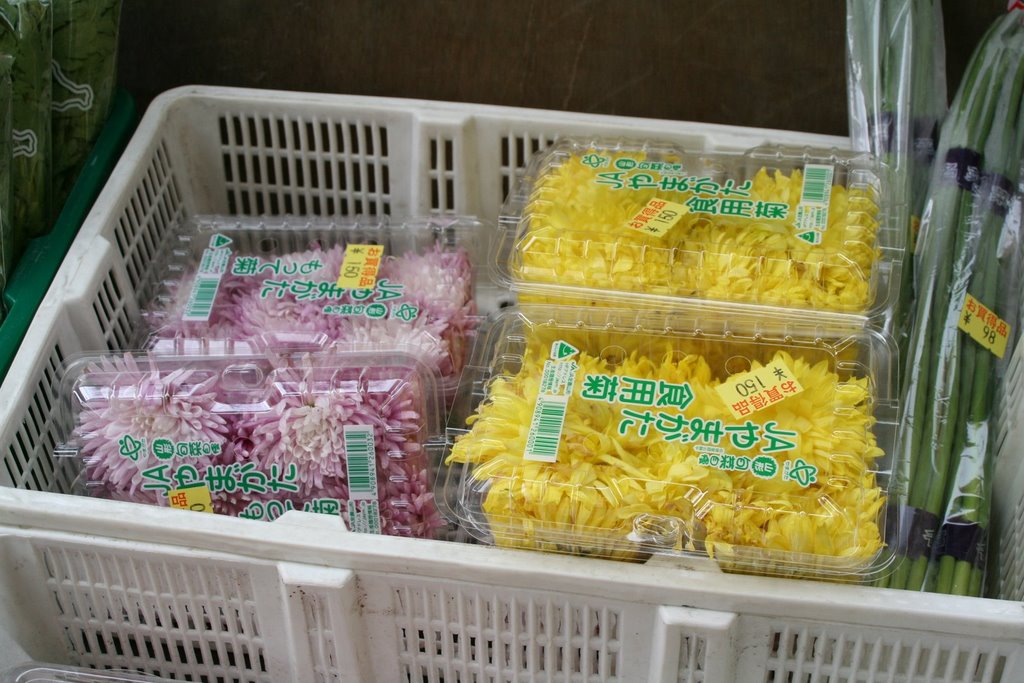
Please don't eat chrysanthemums unless they are the right kind. And only if they are cooked. That's what Baba says. She has never used them in cooking before. Neither have I. Big Sister said she has had them in rice.

These packages of chrysanthemums were in an outdoor market. I see them in our grocery store, too. They are picked, cleaned and packaged to be eaten. Don't eat flowers unless you research them first.

November 19, 2006

Yaki Imo Truck


Little Brother came running inside saying, " The yaki imo truck is here!" This is the yaki imo truck in our neighborhood. I took this picture yesterday. The driver said it was okay to take pictures of his truck. He didn't want his picture taken. He slowly drives around the neighborhood with a tape echoing "Ya---ki--mo!" It's a nice sound of fall.


What are yaki imo? Roasted sweet potatoes. The imo (potato) were at the top on the left. He lifts the boards to put potatoes in and to take them out. I didn't get a picture of the inside. I may get one and post it later if I can chase him down. He usually doesn't stop and sit.


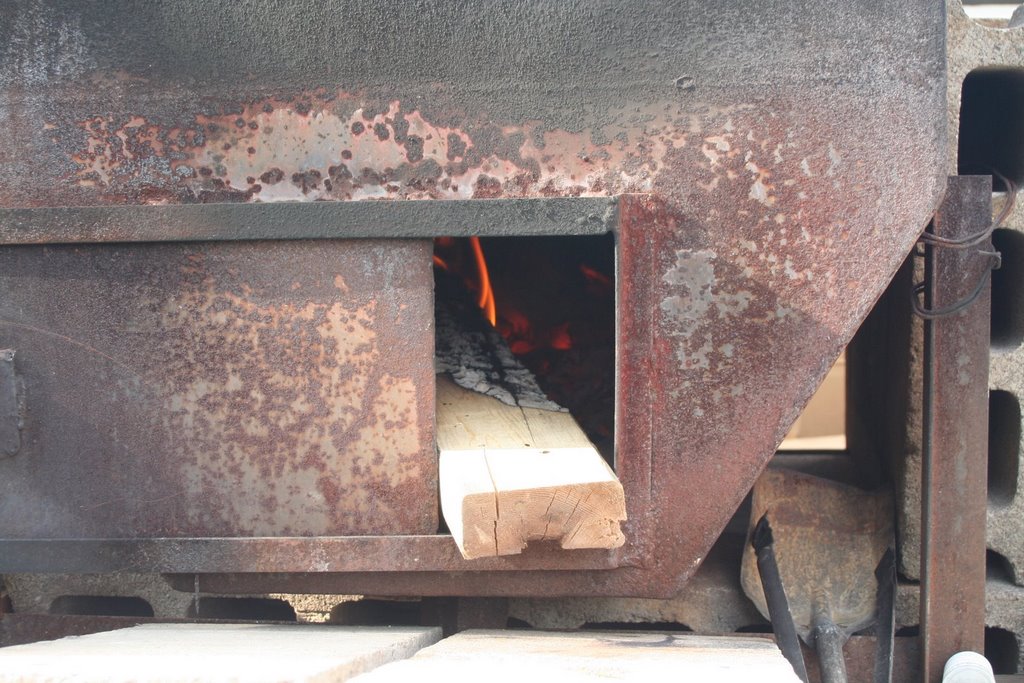
This is what I really wanted to get a picture of. I think it's funny (and dangerous) that he drives around with a fire on the back of his truck. I remember sitting behind the fire of a yaki imo truck at a red light.


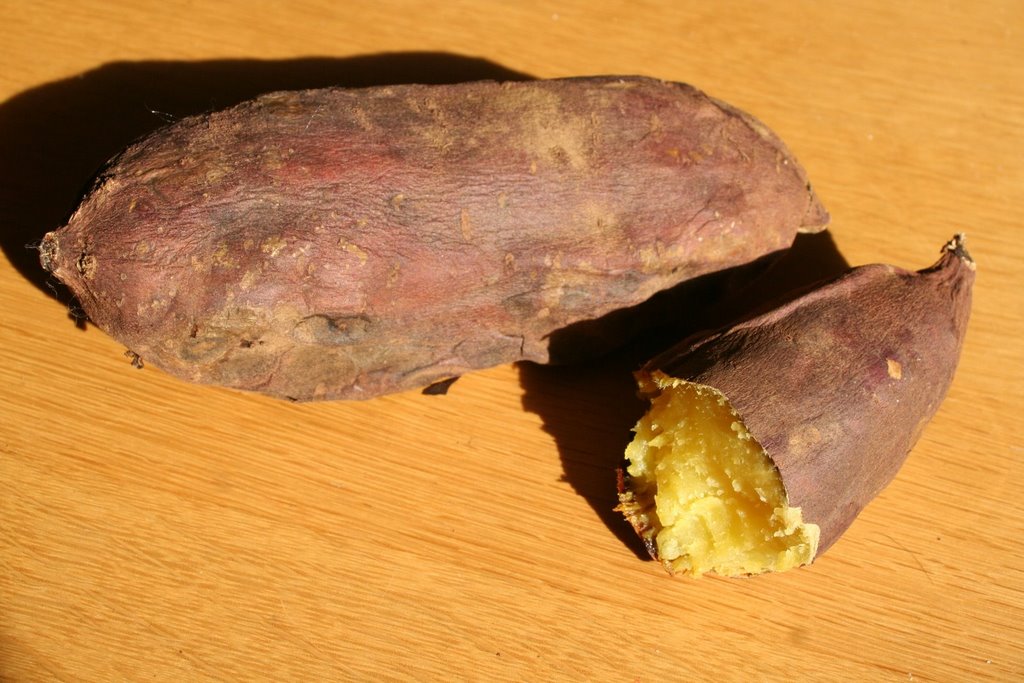
I bought two roasted sweet potatoes from him. He gave me one for free. This is a bag of three. The peeling is sometimes blackened or charred.


The sizes of these sweet potatoes or satsuma imo vary. Some are big, some are small. The inside is yellow. We sometimes eat the peel if it isn't charred.

Yaki imo
are really good. They are nice to eat any time but today was a perfect day for them. It was rainy and cold. He didn't come by, though.

November 18, 2006

Fish Flakes


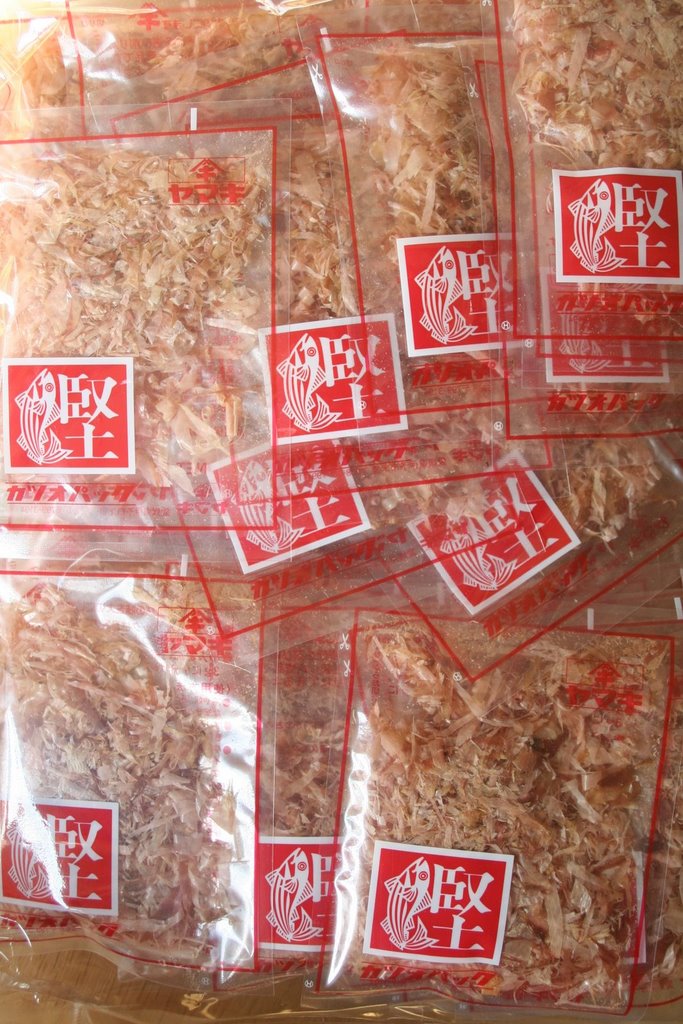
Bonito, a kind of tuna, is dried and smoked. It is then shaven into thin flakes called katsuo bushi. It is usually packaged in small bags. It is sprinkled on some prepared dishes or just on top of rice. It flutters when it is sprinkled onto a hot food. We eat it mixed in rice and then shaped into triangular rice balls, onigiri. We also eat it on takoyaki, octopus puffs. Bigger shavings are also boiled to make a base for soups. It is really tasty.

November 17, 2006

A Nice Gesture from Mos Burger


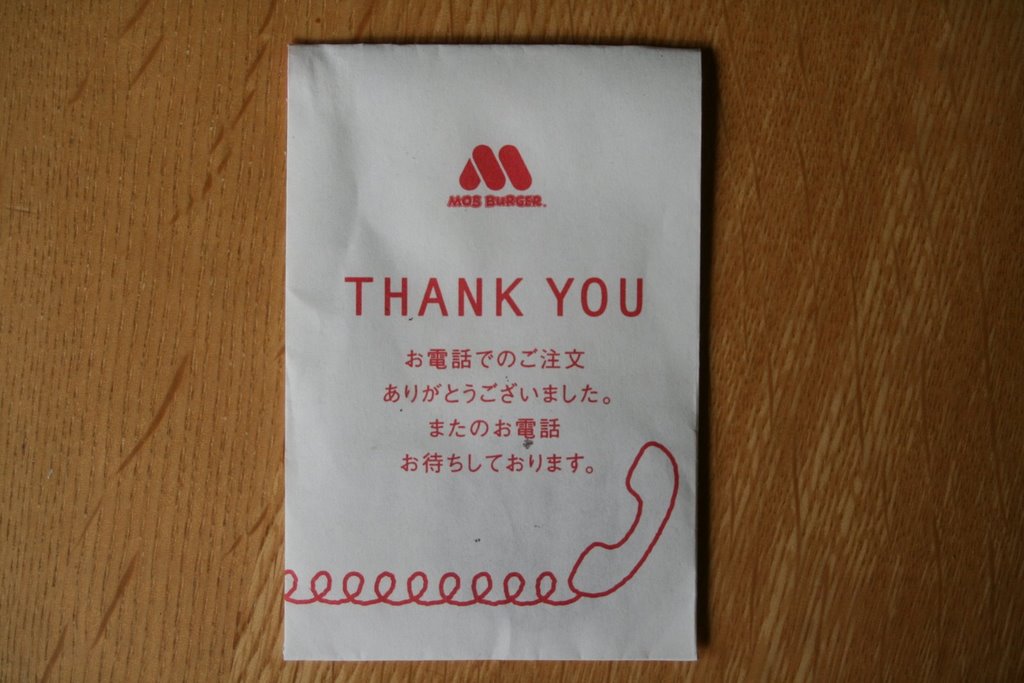
We called Mos Burger, a Japanese fast food place, to order lunch. Then Papa went to pick it up. They gave him this small envelop with a 10 yen coin in it. It was to pay for the phone call he had made to order the food! It costs 10 yen per 3 minutes to make a phone call within Tokyo. Calling outside of Tokyo is more expensive.


This is the Mos Burger trademark. There is an "R" in a circle at the foot of the "r" in "burger". That is the symbol for "trademark".

November 16, 2006

The Way to the Shrine


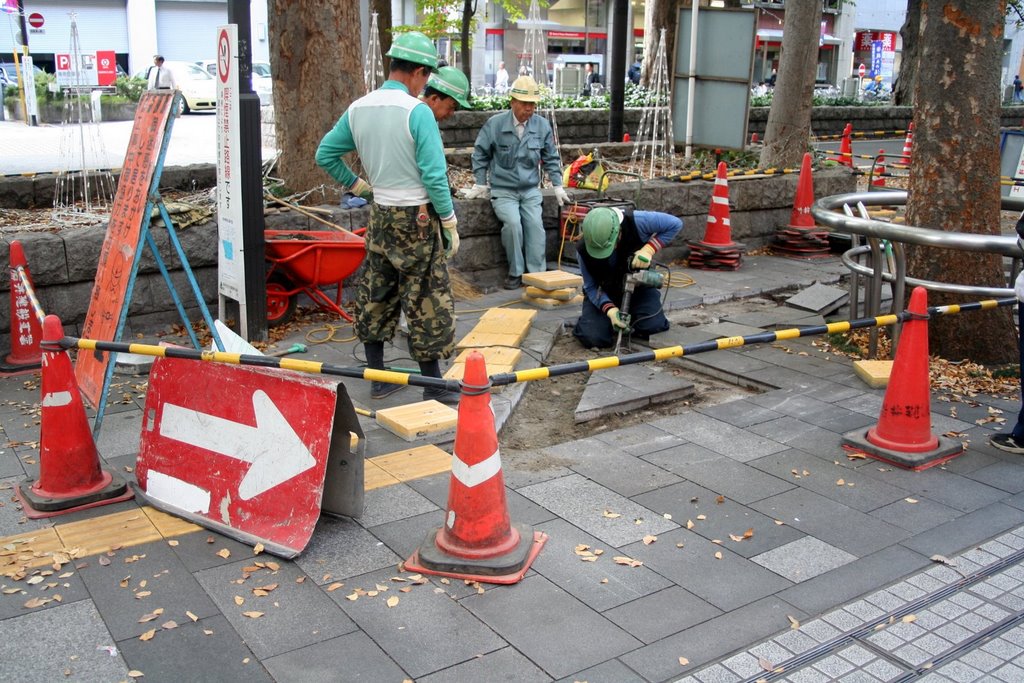
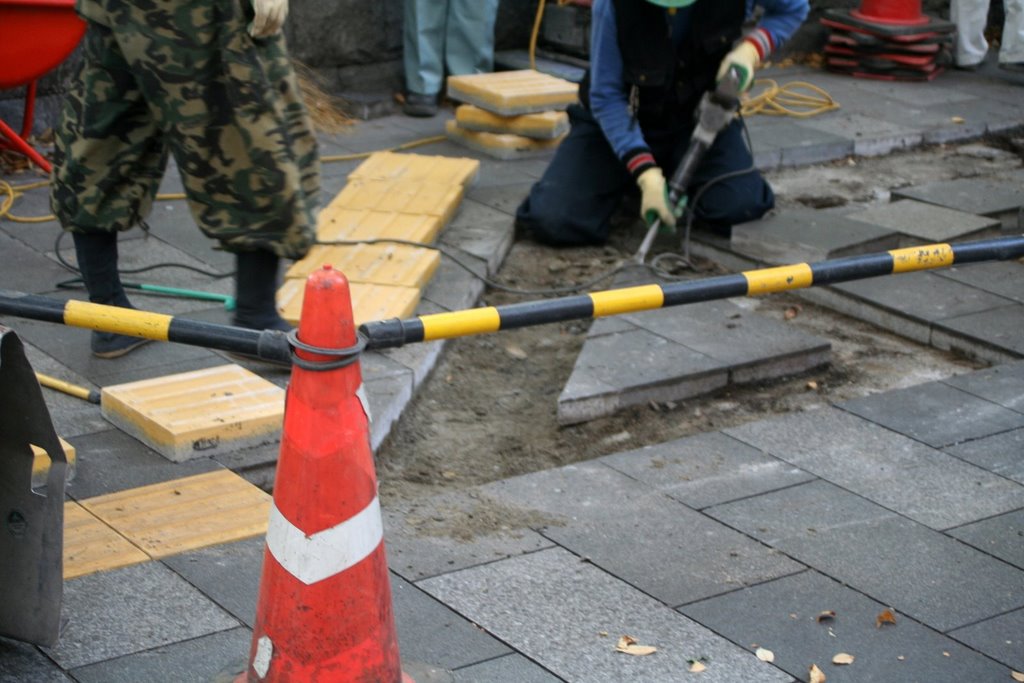
Workers are putting yellow strips in the sidewalk outside a department store. The sidewalk leads from the Keio train station to Okunitama Shrine in Fuchu. The strips are for the blind. There are raised stripes on them so a blind person can find the way.


You may want to click on the "disability" label below to see other pictures of these strips.

Garden Chrysanthemums


These chrysanthemums were cut from our garden. These came from one big plant. It was on the fence next to the fields behind our house. This is the second big bunch this fall. There are some still on the plant. Great-grandfather's chrysanthemums haven't bloomed yet. Maybe they're in shock after I repotted them.

Tsunami Warning Map


You may have heard about the big earthquake off the Kuril Islands in Northern Japan on the evening of the 15th. There was a tsunami warning. On the local Japanese channels, there was a map in the corner of the TV screen. The danger zones were highlighted. Red areas were in high danger. People were evacuated from areas in Hokkaido(marked in the red).

It was strange to go through the channels and see the different shows in the background of this flashing warning. Regular shows and commercials continued. Some of the shows were comedies. This was a news program. The warning has been downgraded. The map has disappeared from TV screens.

November 15, 2006

Shichi-go-san


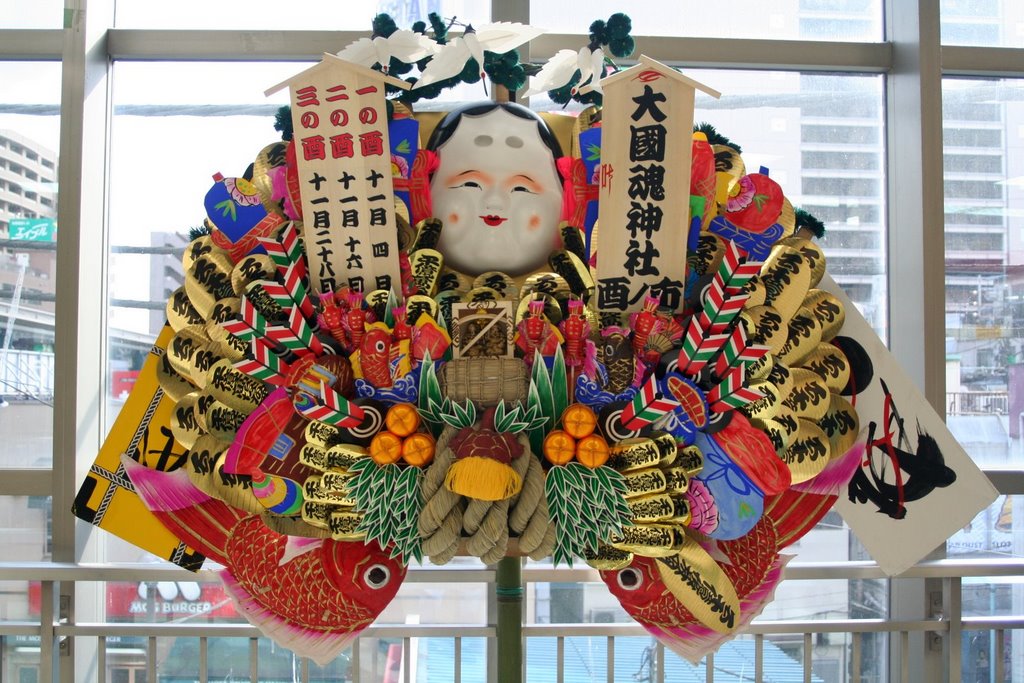
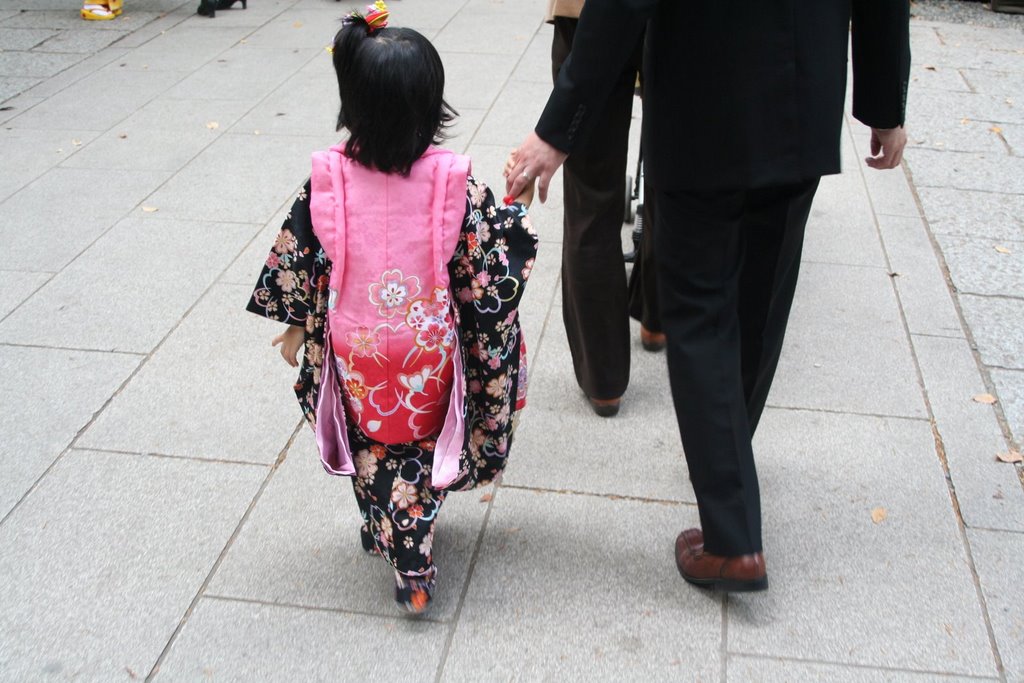
This decoration was in the Fuchu station near Okunitama Shrine. November 15th is shichi-go-san which means seven, five, three. Seven-year-old girls, five-year-old boys (some three-year-old boys) and three-year-old girls dress up in traditional Japanese clothing or in their best clothes. They go to the shrine with their families.

Some girls go to the hairdresser to have their hair styled, especially if they are going to wear a kimono. Some have make-up put on. Most rent the kimono and an expert helps put it on. Some go to a professional photographer to have their pictures taken. People celebrate shichi-go-san in the weeks before the 15th especially if they need to reserve traditional clothing. Children are given sticks of milk candy. Families usually have a special meal.

Big Sister did not wear a kimono when she was 3. She refused. She wore a fancy dress. She wore a kimono when she was 7. Little Brother wore a boy's haori jacket and hakama trousers when he was 5. (There's a picture of a boy in them below.)

Kids WebJapan--shichi-go-san

Kids Web Japan-- kimono

Kids Web Japan--sticks of milk candy

Entering the Shrine

Posted by Picasa
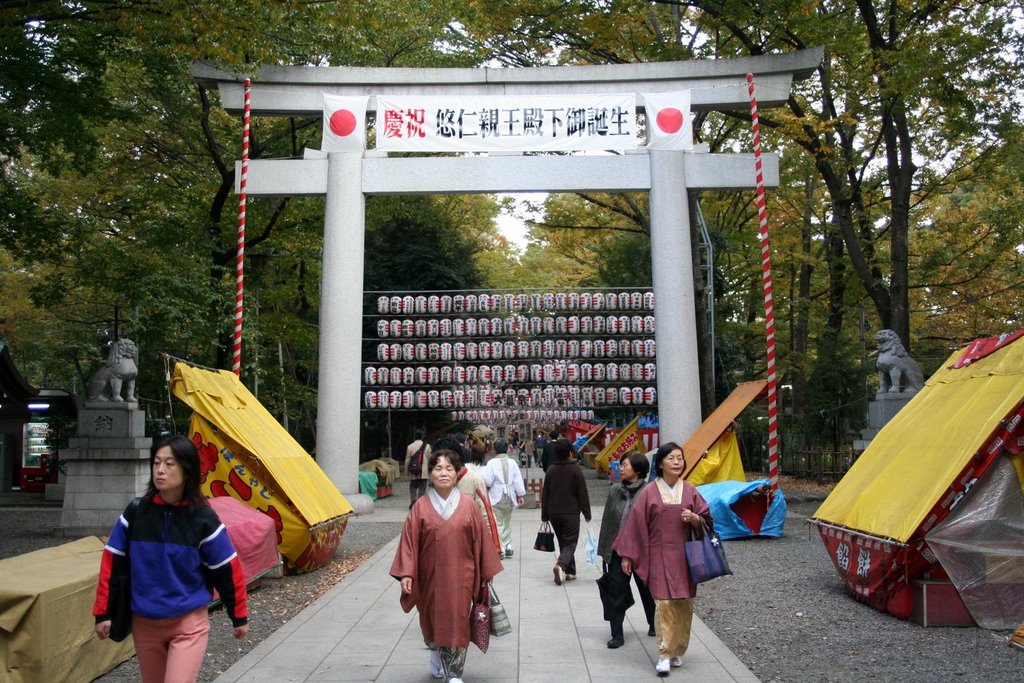
This is the path to the shrine. The tall concrete structure is a tori. It is decorated for shichi-go-san. There are stalls of food along the way. The two women in the middle of the picture are wearing kimono with its traditional jacket.


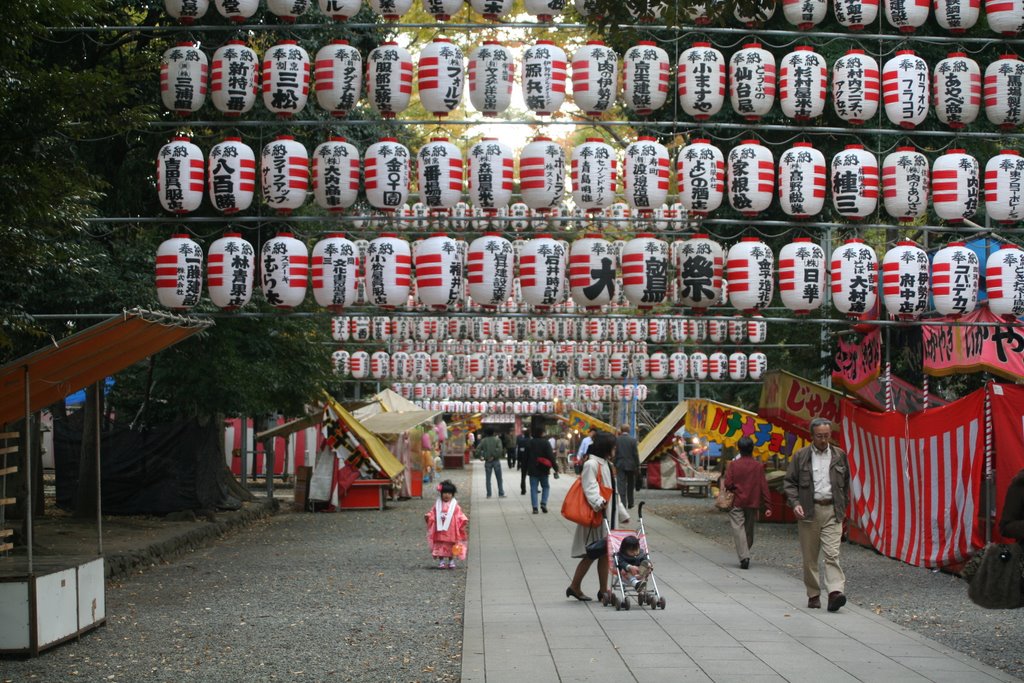
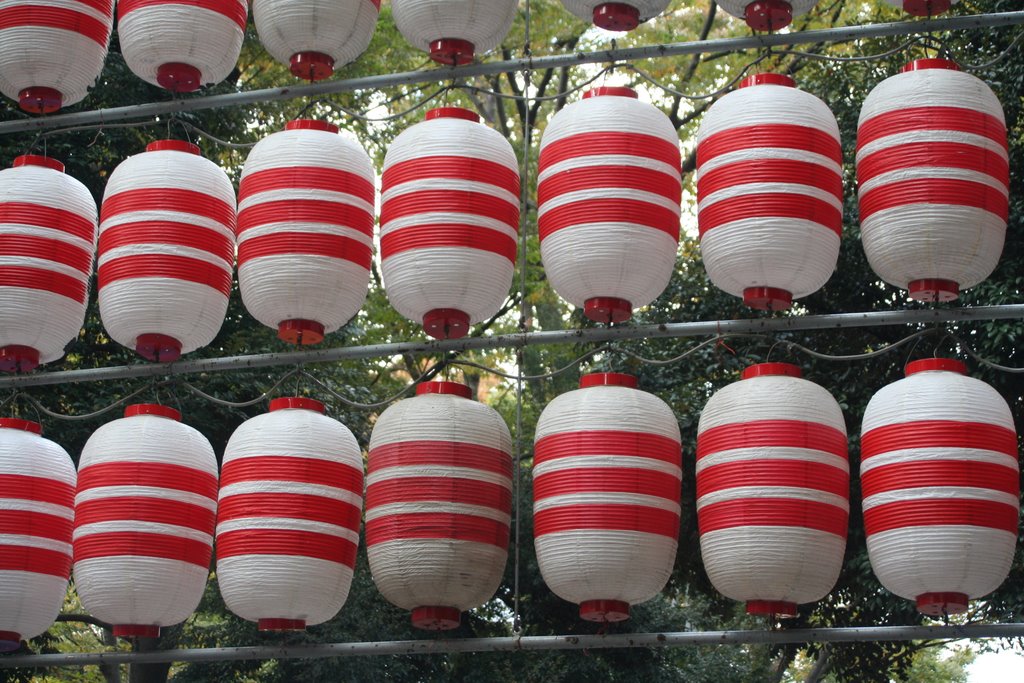
There are lanterns overhead. The names of sponsors are on the lanterns.


This little girl was walking toward me. She is in the picture above. Her mother said I could take her picture. She is three years old. You can tell by her size but also by her kimono. She's wearing a vest instead of an obi, sash.


Here is another three-year-old girl wearing a kimono.


This is the back of the lanterns.

Kids Web Japan-- shichi-go-san

Kids Web Japan--kimono

Washing before Praying


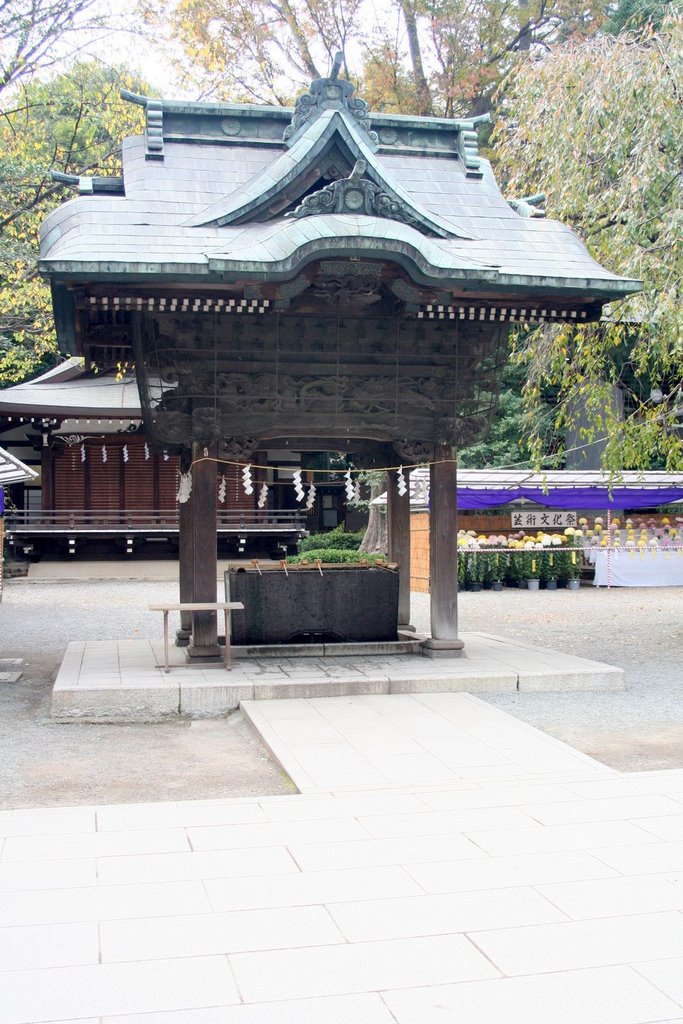
At the end of the path of lanterns, you go through a gate.


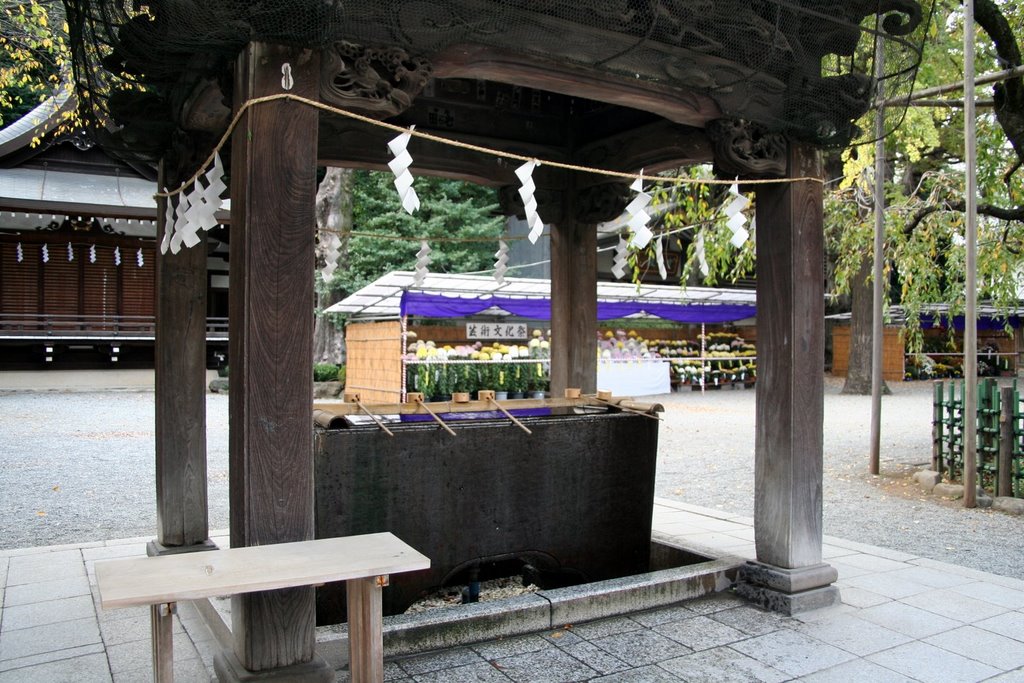
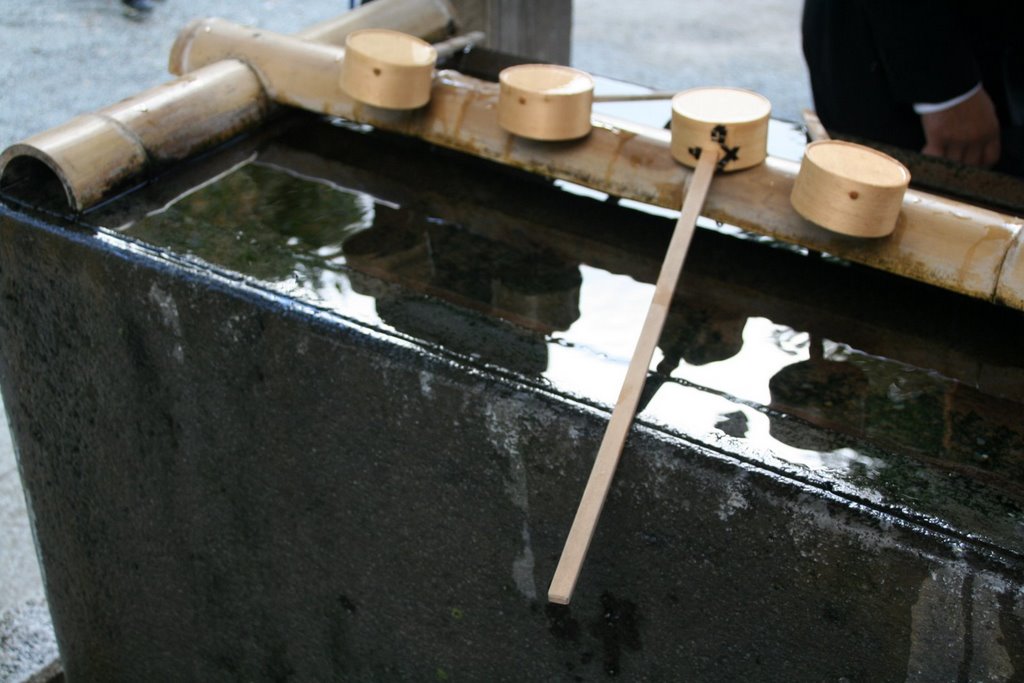
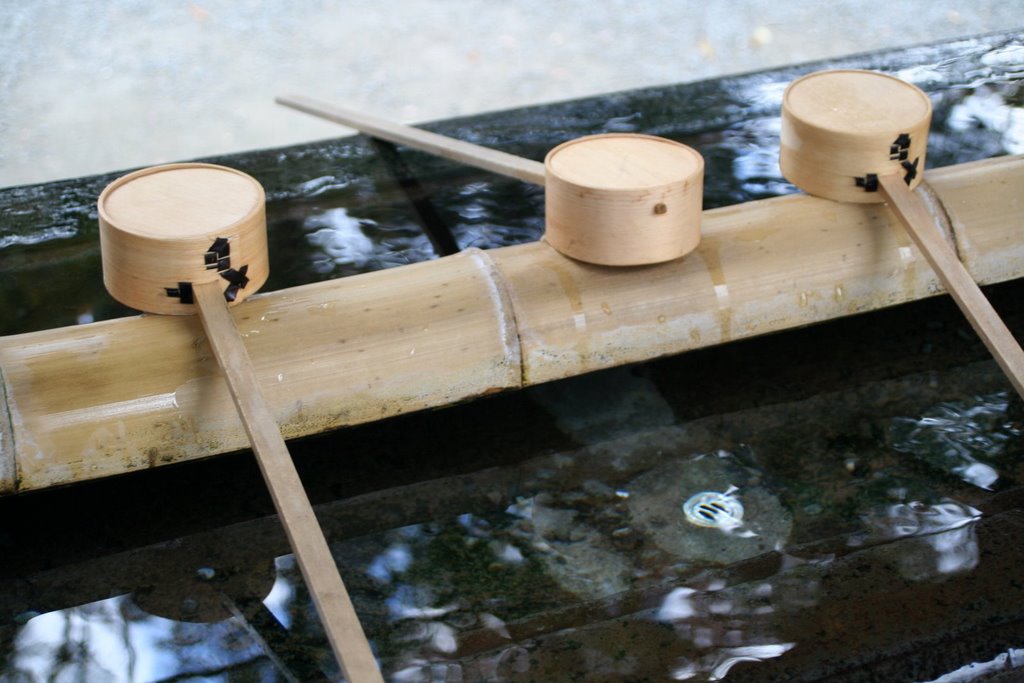
At this shrine there was a place to wash your hands on the right.


The cups are used to pour water over your hands. I have seen people drink from them, too. I'm not sure if that is good manners or not.


The Shrine


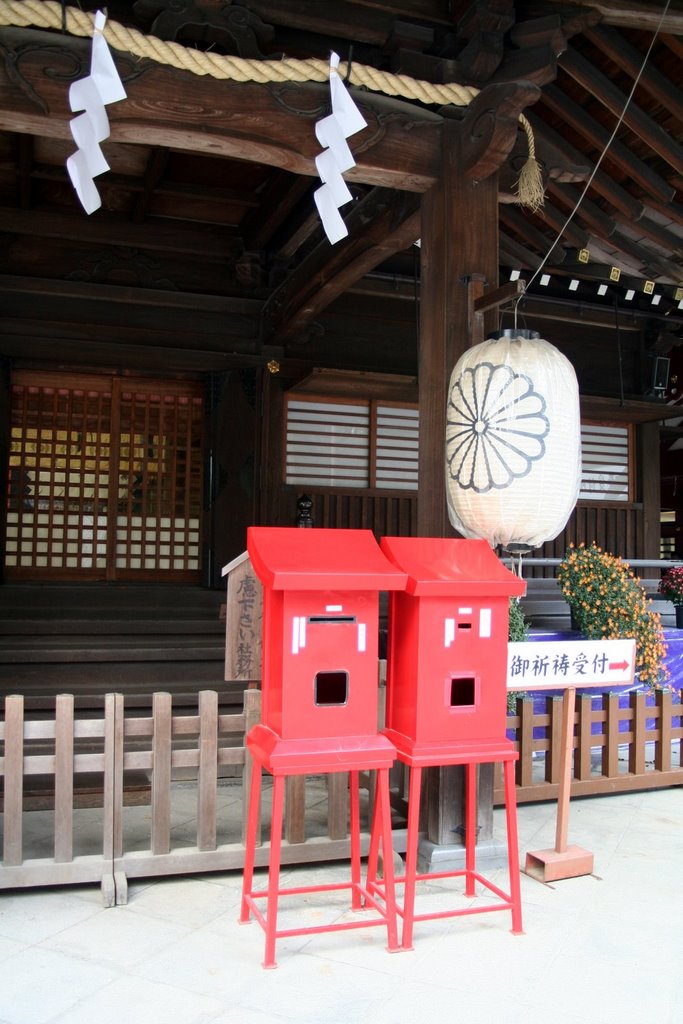
After washing your hands at Okunitama Shrine, you go through another gate. See the boy in the black and silver outfit? He is wearing a haori jacket. There is a hawk on the back. He is wearing hakama trousers, too. They are dificult to see. The trousers have wide legs so they look sort of like a skirt.


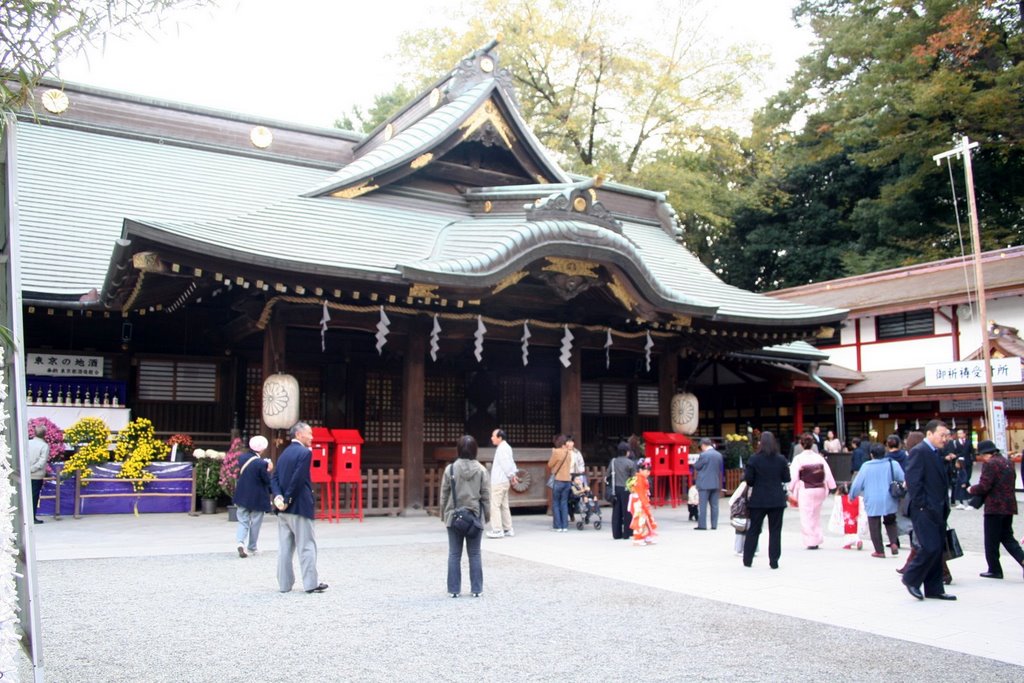
This is the main building. Weddings, ceremonies for babies, and ceremonies for shichi-go-san, etc, are held here in a large washitsu, room with (grass) mats. Actually, this is where Papa and I were married, where we had ceremonies for Big Sister and Little Brother, and where they had shichi-go-san. Funerals are not held here. They are held at temples.


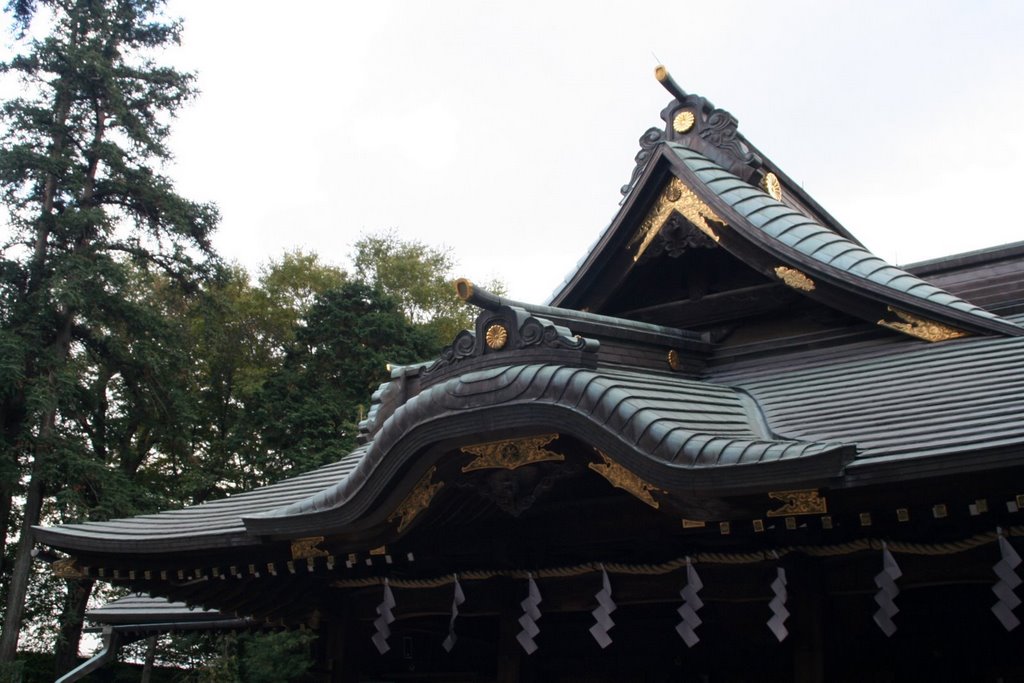
Here is a detail of the roof.
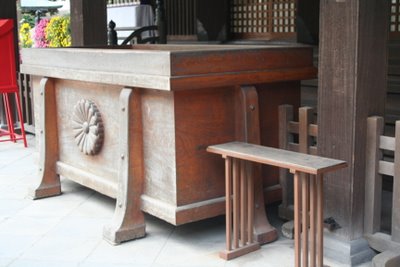


Money is thrown in this big wooden box before you clap your hands and pray. That is a chrysanthemum on the front.


These were set here for shichi-go-san. There is another lantern on the other side. They have the chrysanthemum crest on them, too.


This poster was near the shop. Sorry there's so much glare. The sun wasn't even out!


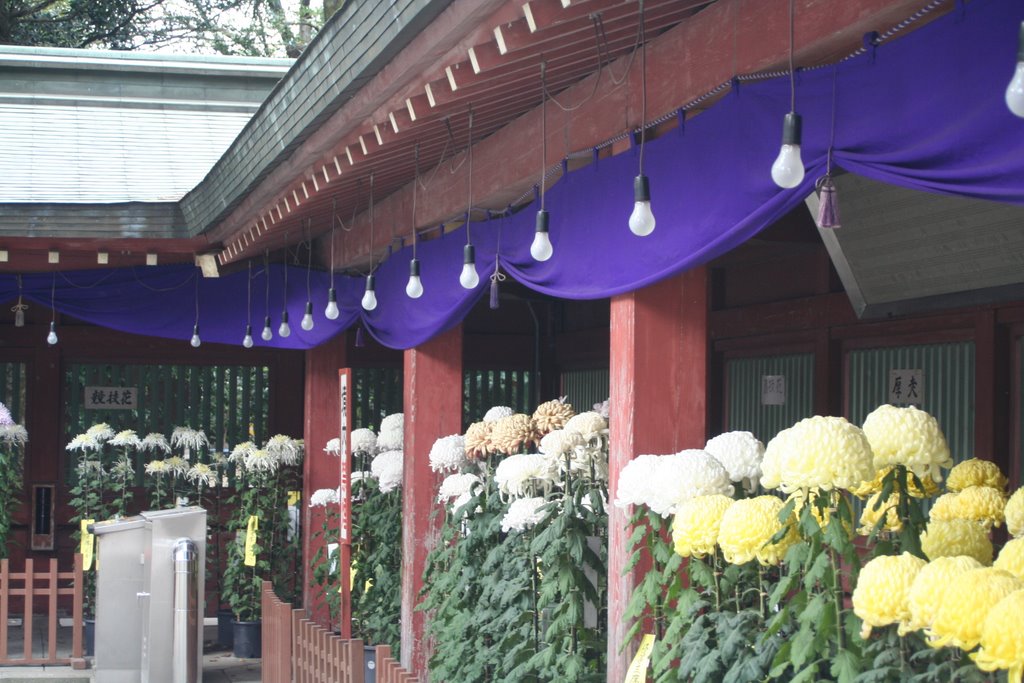
To the right was a small shop. A small wooden tori leads to another building. There were displays of chrysanthemums today, too.


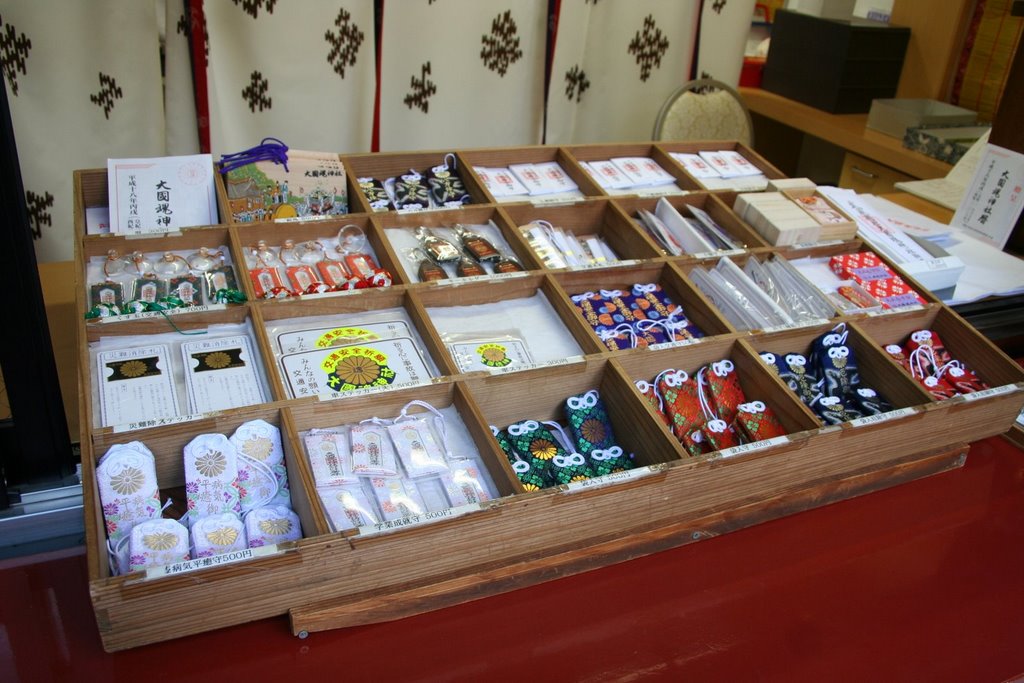
The shop sold these things. Silk prayer pouches for different purposes. Some are for good luck. Some are for good health. Some are for safe travels. Some are for bicycle safety.
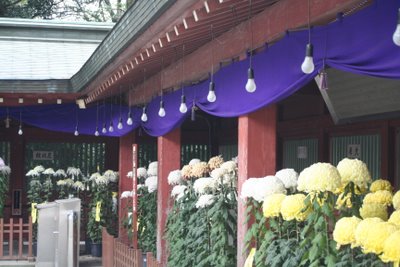


Chrysanthemum displays.


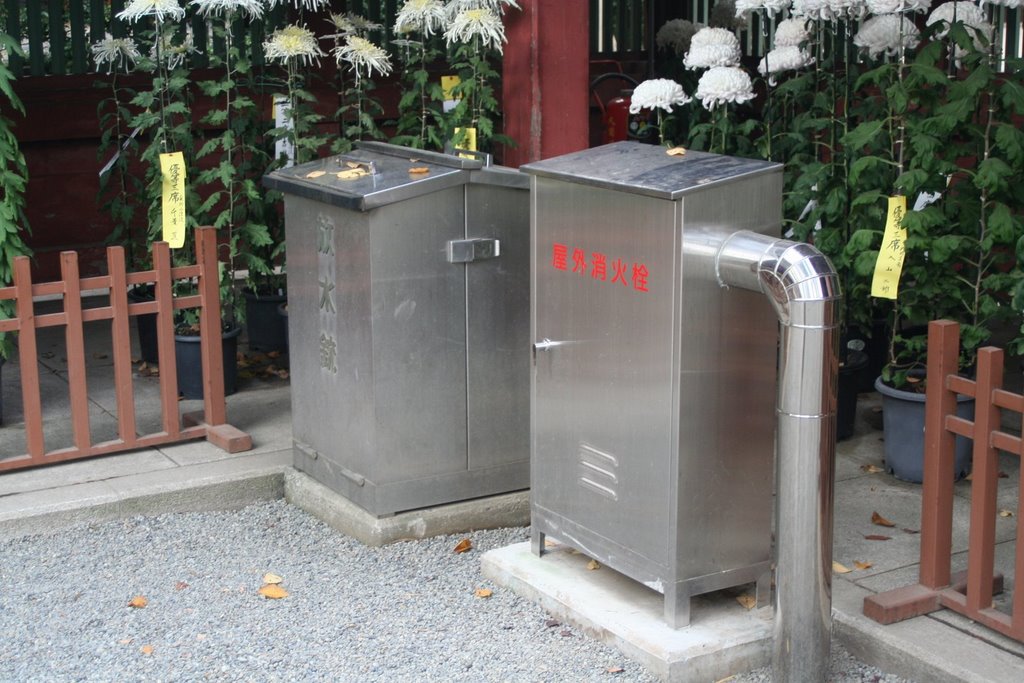
Fire hydrants. Click on the label below to see other fire hydrants.


Fortunes can be bought at that little shop. They are folded and tied here.


Those are wooden prayer plaques called enma on the right side of the picture. People write their wishes on them and hang them there.
Vendors


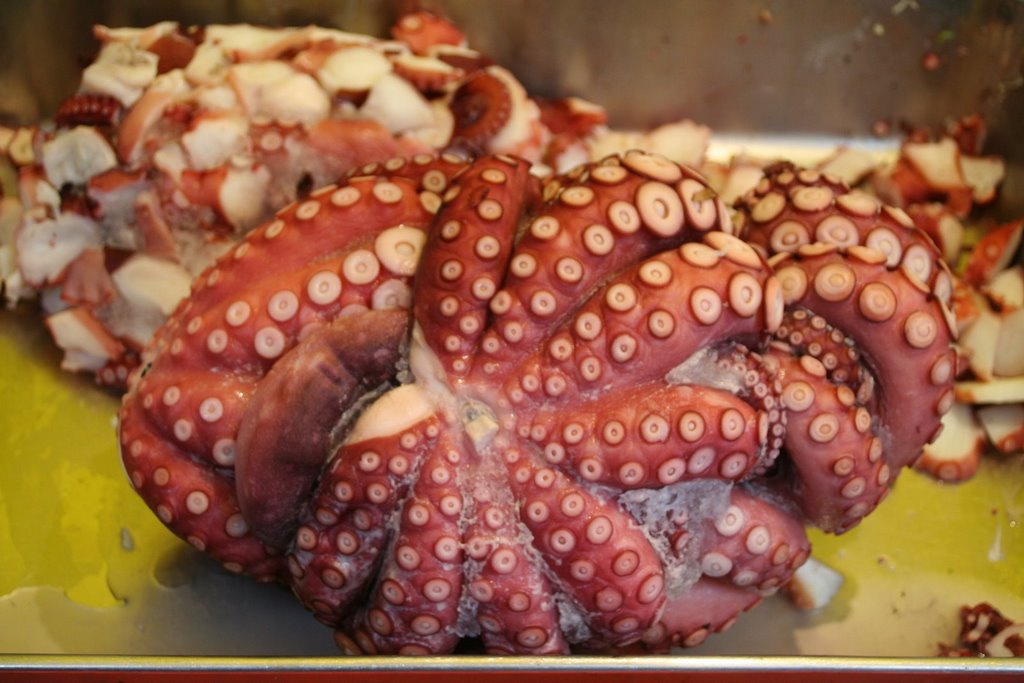
Yes, that's octopus (tako in Japanese.)


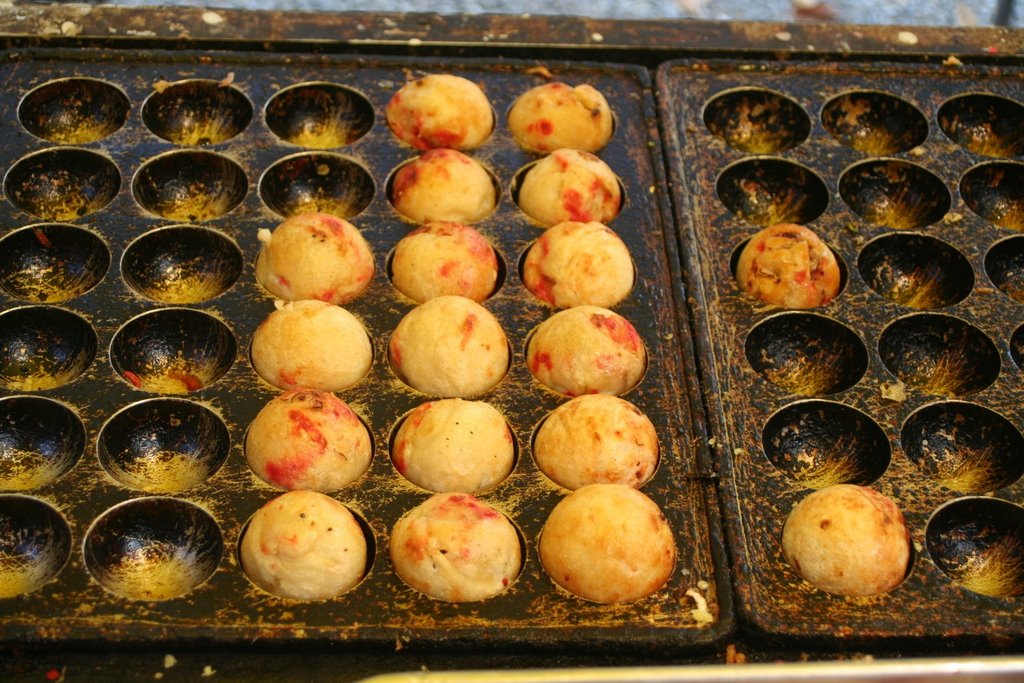
A small piece of octopus is put inside some batter. A round puff is made. Some people call them "octopus balls" in English. I just thought of calling them "octopus puffs".


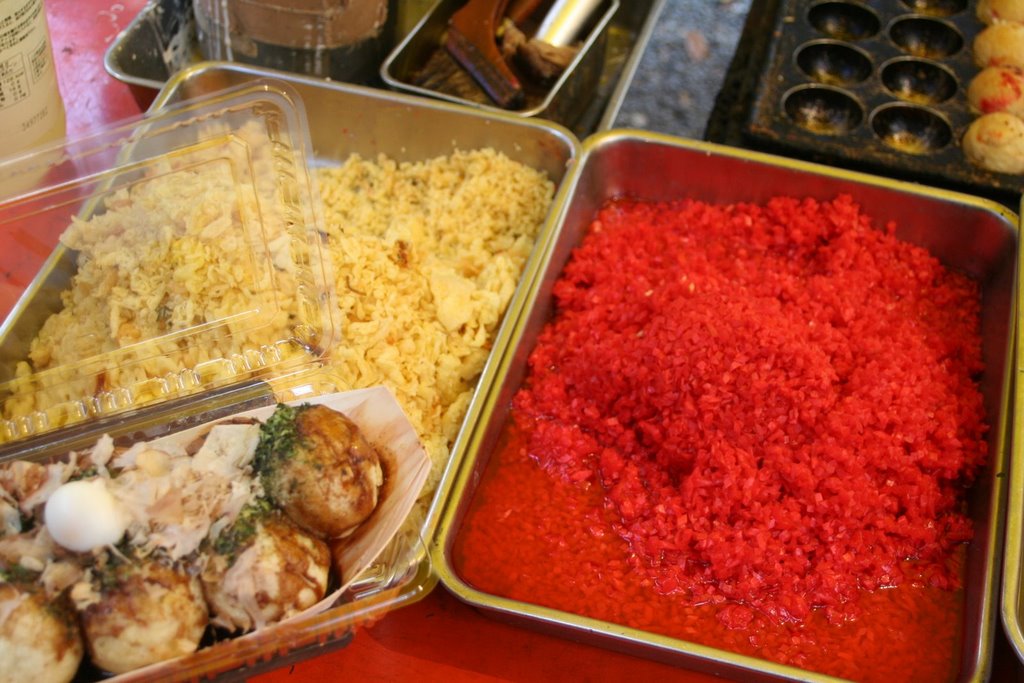
Here they are served in a paper tray in a plastic box. A sauce is drizzled over them. Toppings are put on them, too. Salty smoked tuna flakes are scattered over them, too. Sometimes mayonaise is squirted on them, too. I don't know what the yellow stuff is. I didn't notice it until I downloaded the pictures. It looks like scrambled eggs, doesn't it? The pink stuff is pickled ginger. We like octopus puffs.


At this stall, she was serving them with small eggs on top. The vendors here didn't want their pictures taken but were happy to let me take pictures of their wares.


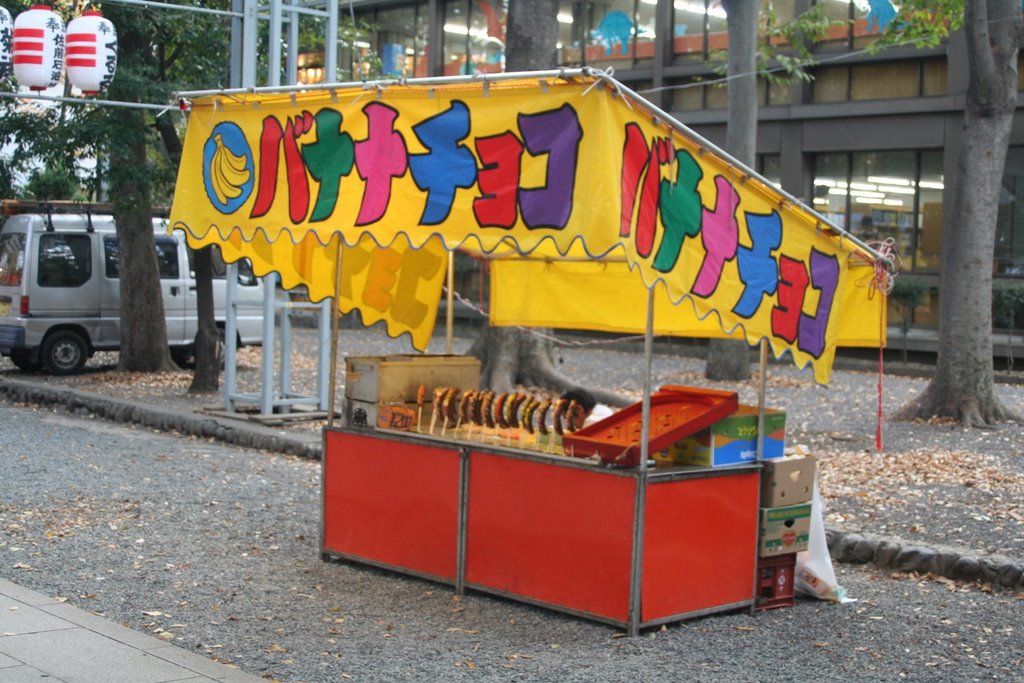
This is a choco banana stand.


Bananas dipped in chocolate. Then sprinkled. These had cookies stuck on them. Never have seen that.


These are bags of cotton candy. Someone is in the background praying at a small shrine.


Frankfurters on sticks. They were sizzling. That's grease around the two on the left. It's not a very good picture.


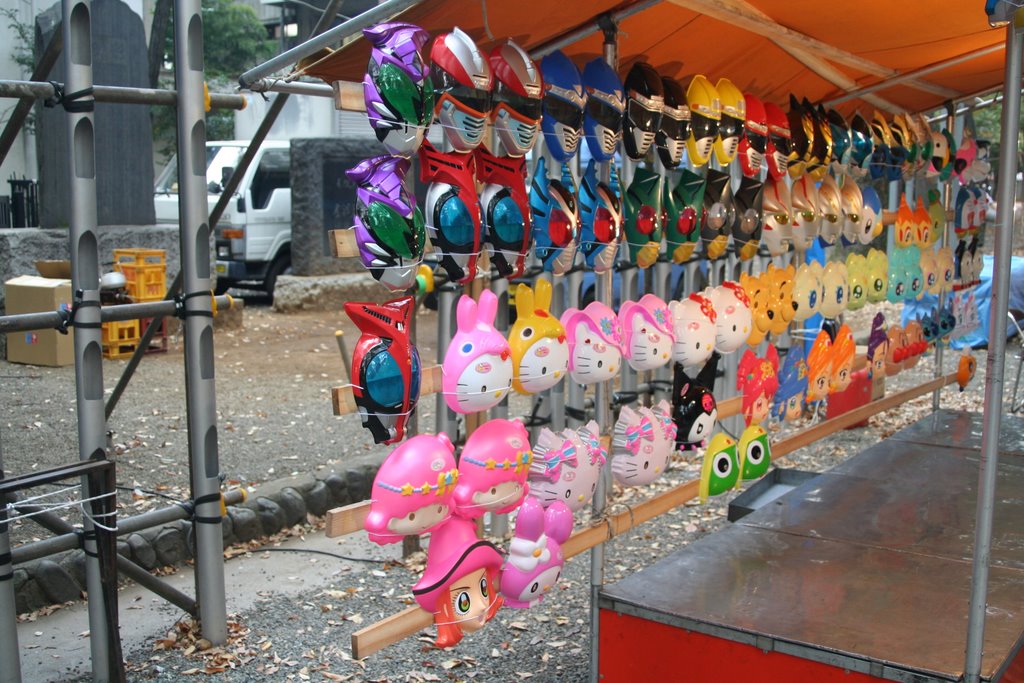
This stall was selling masks.


There were several stalls that were closed. Maybe they opened later when school was out. Shichi-go-san isn't a holiday from school.