Showing posts with label closets. Show all posts

March 04, 2011

Storing the Dolls After Hina Matsuri

This product is relatively new. It is a cloth that helps protect the hina dolls in storage. Jiji, grandfather, always wanted us to put the dolls away the day after Girls' Day. Any delay would cause a delay in marriage, he said. We try to put the dolls back in storage the day after.

Jiji passed away seven years ago and is not here to remind us or to help store them. He always insisted on wearing white gloves when taking out the dolls and when putting them away. We do that. We have to be careful about oil from our hands and about moisture in the air.

The box shows you how to use the cloth.


Here is another product that protects the dolls. It keeps bugs away.

This is what it looks like. Two come in one packet. There are four packets.

There is a diagram on the back of this box, too, to show you what to do.

Dust the dolls with a feather duster (doll sets come with one), cover them, and slip this product in with them before storing them in the closet.

February 20, 2010

Extra Closet Space


Bedrooms in apartments usually have a closet for futon. They are big and spacious. There usually aren't clothes closets, especially in older apartments. People buy wardrobes that sit in the room. They are wooden or cloth cabinets. Some are just open racks. Others have cloth drapes around them.
These choices are from the catalog Big Sister, the high school graduate, received recently. These things are available throughout the year.

Here is the company's link. It takes awhile to link up:
http://www.seikatsuzacca.com/

December 09, 2008

Getting the Closets Ready for Winter

These are hung in the closet to protect wool clothes.


The one on top is an old one. In the orange rectangle, the word "owari" is written in white letters, hiragana. That means that it is "finished" or used. It needs to be replaced with a new one.

Posted by Picasa

August 17, 2006

A Japanese Inn Stay


We stayed at this Japanese inn. I was surprised to see a big wooden sign near the entrance with our name listed with the names of the other guests.


These old containers were used to make sake. They were in an outdoor restaurant area outside the entrance of the inn.


A pond seen from the lobby.


This is a washitsu, a room that has tatami or grass mats. This room has nine mats. In Japan, room size is measured in mats. We had a suite of two rooms of tatami, a sitting area near a window, an entrance leading to our toilet's room, and a bath and shower that didn't work.

The inn was an onsen , an inn with a separate hot spring bath for women and for men. Most guests probably go downstairs to use the community showers and then bathe in the hot spring water instead of using the bath and shower in the room.

I have to add that we used to live in a much smaller space than this inn room. For seven years, we lived in an 8 mat room. It was the dining room, living room and bedroom for the four us.


Washitsu usually have a tokonoma or an alcove where decorations are displayed. The scroll is usually seasonal. This one is a summer view of Mt. Fuji.


Our beds were in the closet when we arrived. We moved to another washitsu downstairs to have our dinner. Unfortunately, I forgot to take a picture of our dinner!


When we came back from dinner, our beds were made for us. They were all in the same room leaving the other room as a sitting area. The futon had no pads under them, but they were thick and comfortable.

June 21, 2006

Closet Dehumidifier


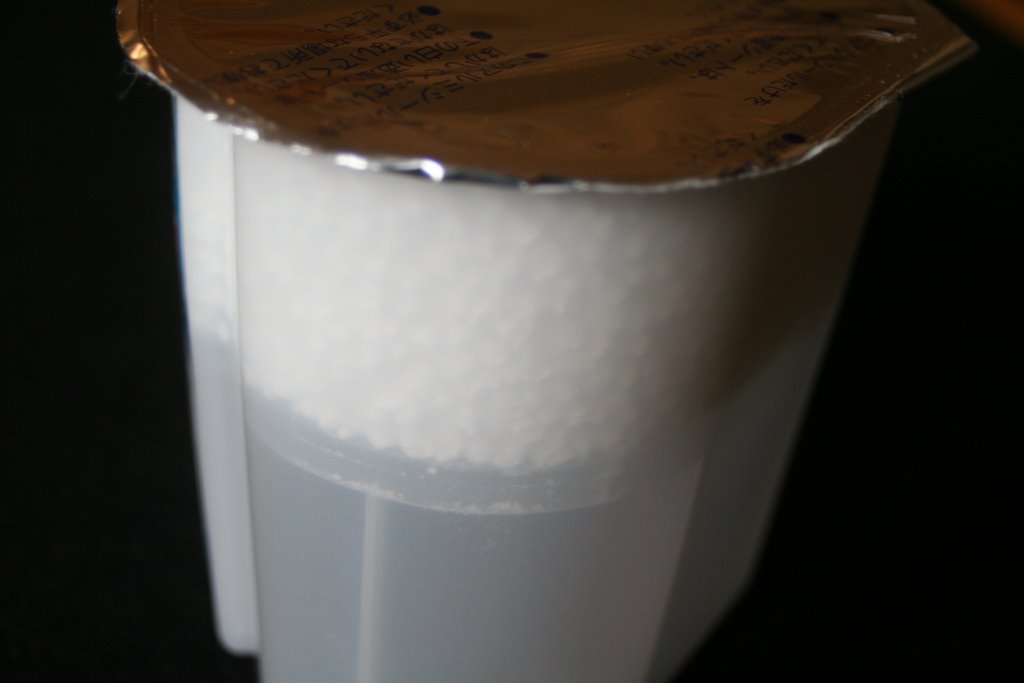
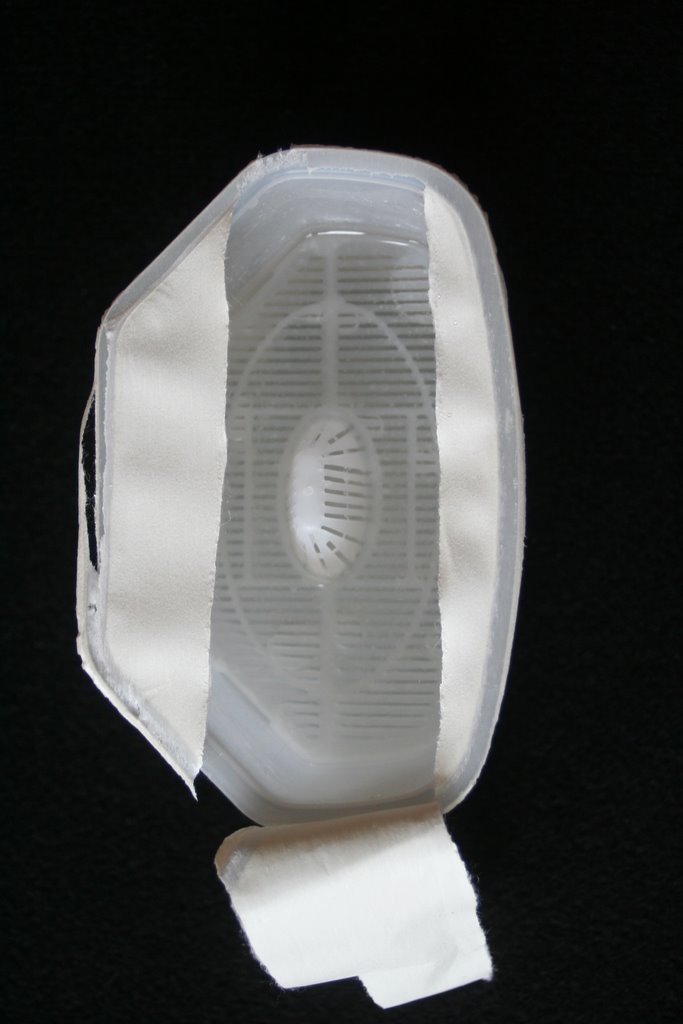
These are a dehumidifiers that we put in closets here. The dehumidifier on the left is an old one. It has a plastic blue grate I guess to protect the thin paper top. Its bottom section is now full of water.


The one on the right is new. I will pull off the silvery cover to expose the paper on top. Then I'll put it in a clothes closet. It will absorb the water from the air in the closet. It is divided into two sections by a plastic shelf that has slits like a seive. The top is filled with Na and Ca granules. (Do you know what that is? No? Look it up!) The bottom is empty. As water is absorbed, the granules dissolve and the water goes into the bottom section.


Here is the old one after I've poured out the water and cleaned out the granules. Actually, they had become a hardened mass. We have to wash some of our garbage here and put it into the appropriate garbage bag. Plastic goes in one and paper in another. I put most of this in the bag for questionable, broken and messy items.